Install Drywall That Holds Up Year After Year
New construction and remodel projects in Kalispell rely on proper board placement and fastening from the start
You are finishing a basement, adding a bedroom, or framing out a new living space, and the walls need to go up correctly the first time. In Kalispell, where winters are dry and indoor humidity swings with the seasons, drywall installation has to account for movement and climate so seams stay tight and fasteners do not pop through the surface months later. JJ's Drywalling handles full installations for new homes, additions, and remodels with board placement and fastening techniques designed to reduce cracking and keep finishes smooth over time.
Drywall installation means measuring and cutting sheets to fit your framed walls and ceilings, securing them to studs with screws spaced correctly to prevent sagging, and laying out seams so they fall on solid backing and avoid high-stress areas like corners and window headers. The process includes coordinating with electricians and plumbers so outlets, fixtures, and access points are cut cleanly without weakening the board. Material staging is organized inside the home to protect flooring and keep walkways clear while work is underway.
If you are building or remodeling in Kalispell and need drywall hung on schedule, request a project estimate to review scope, timing, and material requirements.
How Board Layout Affects Long-Term Wall Performance
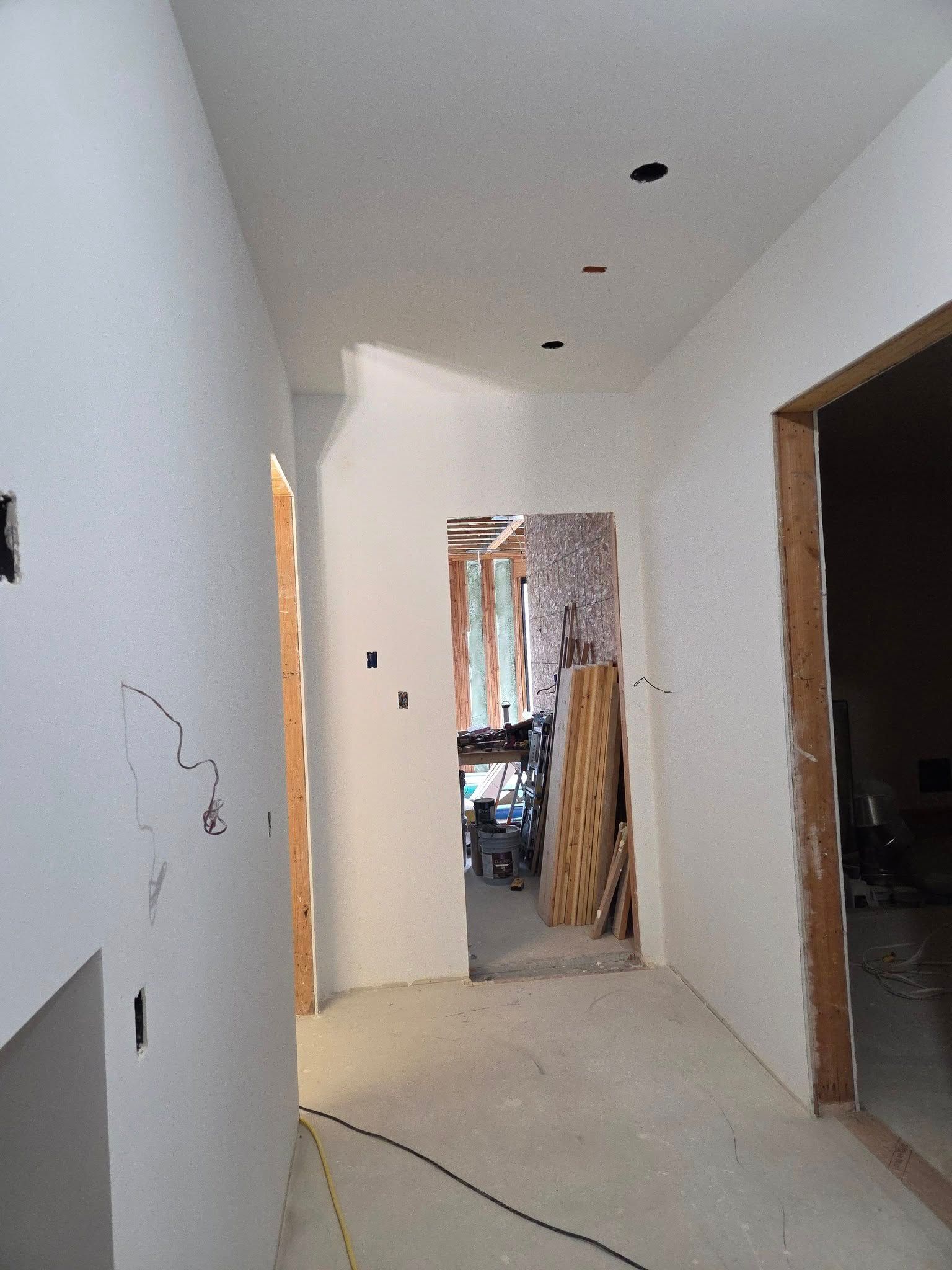
Installation in your Kalispell project starts with board layout that minimizes seams and places joints where they can be properly supported and finished. Sheets are hung horizontally or vertically depending on ceiling height and stud spacing, and fasteners are driven flush without breaking the paper face, which would compromise holding strength and create dimples that show through paint.
Once the boards are up, you will see walls and ceilings ready for taping and finishing, with clean edges, tight corners, and seams that align with framing members. JJ's Drywalling works with builders and homeowners to keep residential construction timelines moving, coordinating installation so other trades can follow without delays. The job site is kept organized, with scrap removed regularly and dust contained as much as possible during cutting and fitting.
Installation does not include taping, mudding, or finishing, which are separate steps that follow once all boards are secured. If your project involves cathedral ceilings, angled walls, or custom details, those areas may require additional blocking or specialized fastening methods. Insulation and vapor barriers must be in place before drywall goes up, and any electrical or plumbing rough-in should be inspected and approved.
Most Questions Focus on Timing and Coordination
Builders and homeowners in Kalispell often ask about sequencing, material delivery, and how long installation takes before finishing can begin.
What thickness of drywall should I use for interior walls?
You should use half-inch drywall for most interior walls and ceilings in residential projects, though five-eighths-inch board is preferred for fire-rated walls, ceilings with longer joist spans, or areas needing extra soundproofing.
How do you prevent screw pops after installation?
Screw pops are prevented by driving fasteners into solid framing, setting them just below the surface without tearing the paper, and spacing them correctly so the board is held firmly without overdoing it in any one spot.
When can taping start after the boards are hung?
Taping can start as soon as all boards are installed, inspected, and any necessary adjustments are made, usually within a day or two depending on project size and scheduling with other trades.
Why do some seams crack after the house is finished?
Seams crack when boards are not fastened to solid backing, when framing lumber shrinks or shifts, or when seams are placed in high-stress areas without proper floating or reinforcement during finishing.
How much waste should I expect when ordering drywall?
You should plan for about ten percent waste to account for cutting around openings, fitting irregular spaces, and replacing damaged sheets during handling or installation in Kalispell projects.
Coordinating installation with the rest of your construction schedule keeps the project moving and ensures taping and finishing can begin without waiting for material or access. Contact JJ's Drywalling to walk through your project scope, timeline, and any site-specific details that affect material staging or sequencing.